

Catnip
Nepeta cataria
What it is
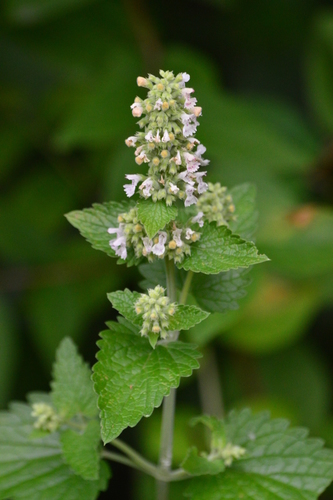
Catnip is a fragrant herb, part of the mint family, known for its distinctive square stems and heart-shaped, grayish-green leaves. It produces small, white to pale lavender flowers that bloom in clusters along its stalks.
Where and when to find it
- Habitat
- Roadsides, waste areas, fields, and open woodlands.
- How to find it
- Look for its fuzzy, heart-shaped leaves and square stem. Rub a leaf gently; if it smells like mint, it might be catnip!
- Best time of day
- Daytime
- Best season
- Summer to fall
How it lives
- What it eats
- It makes its own food using sunlight, water, and air, just like most plants.
- What eats it
- Some insects, but it's most famous for being nibbled on by cats.
Worth knowing
- Even big cats like lions and tigers can react to catnip, sometimes pouncing and rolling around!
- Catnip is part of the mint family, which is why it often has that fresh, minty smell.
- Not all cats react to catnip! Only about 70-80% of cats are affected, and it's a trait they inherit from their parents.
- The part of catnip that affects cats is an oil called nepetalactone, which is found in its leaves and stems.
- While cats love it, humans sometimes use catnip for its calming tea properties, but it won't make people act like cats!
Why it matters
Catnip provides a fun and safe treat for many domestic and wild cats, bringing them joy and enrichment. It's also a food source for some insects.