

Lavenders
Lavandula
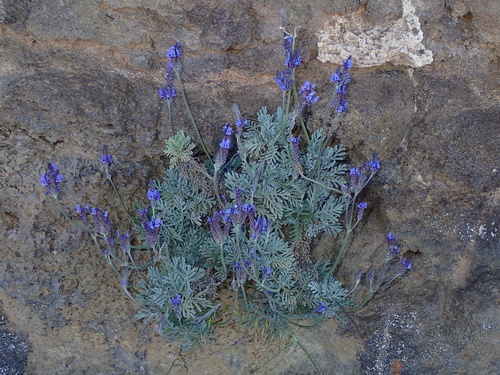
What it is
Lavenders are aromatic flowering plants known for their distinctive purple blooms and soothing fragrance. They are widely cultivated for their essential oils, used in perfumes, soaps, and aromatherapy. Various species exist, differing in size, flower shape, and scent intensity.
Where and when to find it
- Habitat
- Originally from the Mediterranean region, Middle East, and India. Now grown all over the world in gardens and fields, especially in sunny, well-drained spots.
- How to find it
- Look for fields or gardens with long rows of purple flowers. You'll probably smell them before you see them!
- Best time of day
- Mid-morning to afternoon
- Best season
- Late spring to summer
How it lives
- What it eats
- Sunlight, water, and nutrients from the soil.
- What eats it
- Some insects, like certain caterpillars, may nibble on leaves, but lavender is not a primary food source for many animals.
Worth knowing
- Rubbing a lavender flower between your fingers releases its amazing smell, but always ask an adult before touching plants!
- Bees absolutely LOVE lavender flowers because they're full of sweet nectar.
- Lavender plants can live for a long time, sometimes even 20 years or more!
- Ancient Romans used lavender to scent their baths, which is how it got its name from the Latin word 'lavare,' meaning 'to wash.'
- There are over 45 different kinds of lavender plants, all with slightly different smells and flower shapes!
Why it matters
Lavender provides beautiful flowers that attract pollinators like bees and butterflies, helping other plants grow. Its scent is also used in many products to help people relax.